
How Much Ceylon Cinnamon Should a Diabetic Take Daily?

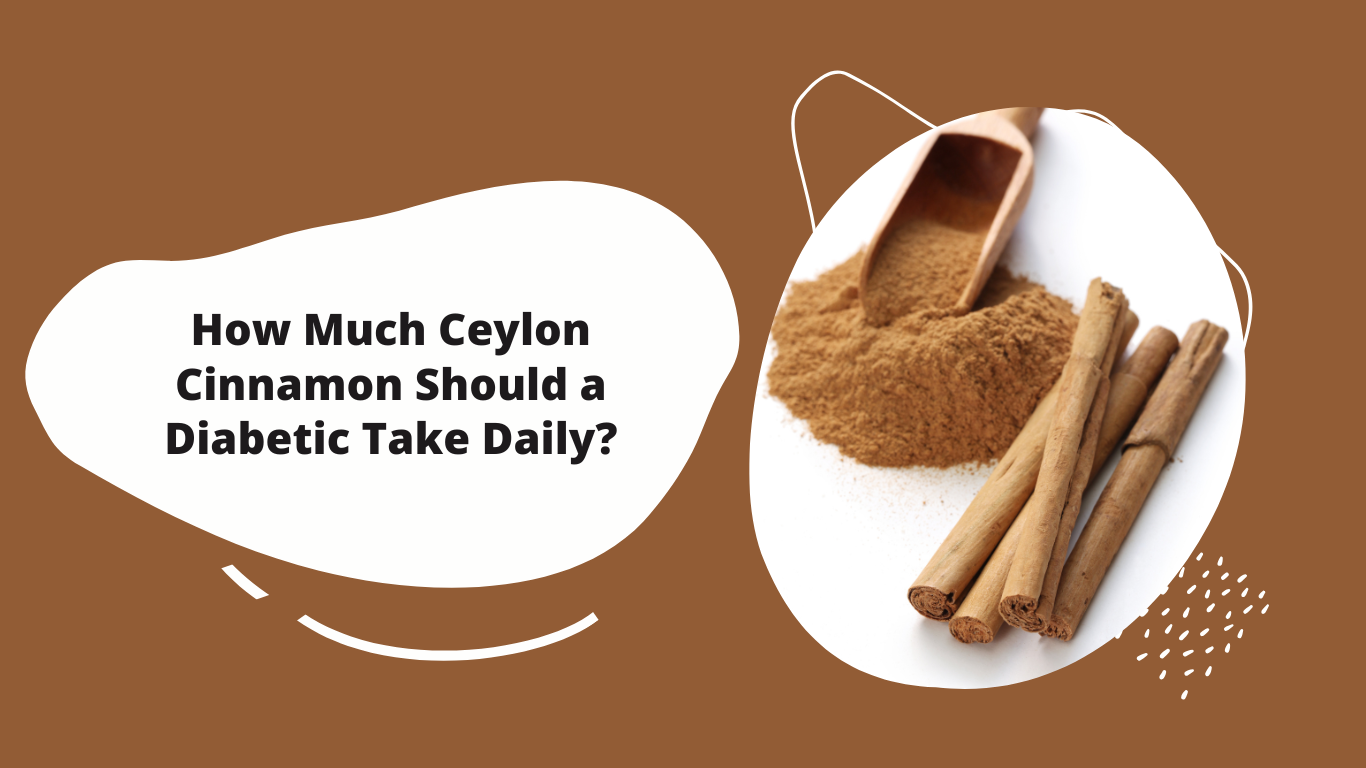
If you are living with type 2 diabetes, prediabetes, or managing stubborn insulin resistance, you have likely heard about the blood-sugar-lowering benefits of cinnamon.
However, not all cinnamon is created equal. Using the wrong type—or the wrong dose—can be ineffective or even harmful to your liver. Ceylon cinnamon (often called “True Cinnamon”) is widely recognized as the safest and most effective variety for daily blood sugar management.
This guide breaks down the science of Ceylon cinnamon, the exact daily recommended dosage for diabetics, how it differs from common grocery store cinnamon, how to use it alongside Addys Store staples, and answers the most frequently asked questions.
1. The Exact Daily Dosage: How Much Should You Take?
Based on clinical research, the optimal daily dosage of Ceylon cinnamon for blood sugar control is:
This translates to roughly $\frac{1}{2}$ to 1 teaspoon of ground Ceylon cinnamon powder daily.
How to Split Your Daily Dose
For maximum effectiveness, split your daily intake into two doses taken right before or during your largest carbohydrate-containing meals:
Morning Dose: $\frac{1}{2}$ teaspoon with breakfast.
Evening Dose: $\frac{1}{2}$ teaspoon with dinner.
2. Ceylon vs. Cassia: Why the Type of Cinnamon Matters
Walk into a standard grocery store, and 90% of the cinnamon on the shelves is Cassia cinnamon (Cinnamomum cassia). While Cassia also lowers blood sugar, it contains high levels of coumarin—a natural organic chemical compound that causes liver toxicity and damage when consumed daily in large amounts.
| Feature | Ceylon Cinnamon (Cinnamomum verum) | Cassia Cinnamon (Cinnamomum cassia) |
| Common Name | “True Cinnamon” | Regular / Chinese Cinnamon |
| Coumarin Content | Ultra-Low (~0.004%) — Safe for daily use | High (up to 1%) — Potential liver risk |
| Flavor Profile | Mild, sweet, delicate | Strong, spicy, pungent |
| Color & Texture | Light tan brown, soft fragile layers | Dark reddish-brown, hard thick quills |
| Safety for Diabetics | Safe for long-term daily consumption | Not recommended for daily high dosing |
3. The Science: How Ceylon Cinnamon Lowers Blood Sugar
Ceylon cinnamon contains powerful active bioflavonoids—specifically hydroxychalcone, cinnamaldehyde, and proanthocyanidins—that work at the cellular level:
A. Mimics Natural Insulin
Hydroxychalcone acts as an insulin mimetic. It binds to insulin receptors on your cell membranes, activating the metabolic pathways that pull glucose out of your bloodstream and into muscle and fat tissue for energy.
B. Slows Carbohydrate Breakdown in the Gut
Cinnamon inhibits key digestive enzymes ($\alpha$-glucosidase and pancreatic $\alpha$-amylase). By slowing down the rate at which starches are broken down into simple sugars, it prevents rapid post-meal glucose spikes.
C. Increases Glycogen Synthesis
It stimulates enzymes in the liver that convert excess circulating blood glucose into stored glycogen, keeping your baseline glucose numbers lower throughout the day.
4. How to Use Ceylon Cinnamon with Addys Health Staples
Incorporating Ceylon cinnamon into a low-glycemic, diabetic-friendly diet is easy and versatile:
Warm Morning Tonic: Stir $\frac{1}{2}$ teaspoon of Ceylon cinnamon powder into warm water or green tea before breakfast.
Low-Carb Breakfast Pairings: Sprinkle $\frac{1}{2}$ teaspoon directly onto unsweetened Greek yogurt, chia pudding, or a slice of toasted Addys Low-Carb Bread.
Evening Meals: Pair your daily routine with clean, slow-digesting evening swallows like Addys Fonio Poundo to ensure flat overnight glucose levels.
Monitor Your Glucose & Lipid Response at Home
Because Ceylon cinnamon naturally improves insulin sensitivity and supports healthier cholesterol levels, tracking your daily response is essential.
Using the Addys 4-in-1 Blood Monitor Kit, you can track all your key metabolic markers from home:
Glucose: Check your post-prandial (2-hour post-meal) spikes and morning fasting numbers.
Cholesterol: Measure improvements in total cholesterol and triglycerides over time.
Hemoglobin: Track vital indicators related to oxygenation and blood health.
Uric Acid: Keep tabs on metabolic balance.
5. Get Tailored Support: The Addys 10-Week Program
Combining botanicals like Ceylon cinnamon, Karela, or Gurmar with structured daily meals requires consistency and tracking.
Through the Addys 10-Week Management & Accountability Program, lead Cell Biologist and Geneticist Addys and her coaching team guide you step-by-step:
Designing personalized, low-carb, high-fiber, gluten-free meal plans.
Interpreting your daily 4-in-1 blood monitor kit readings.
Safely integrating natural botanicals to lower your A1C and reverse type 2 diabetes naturally.
👉 [Visit Addys Store to Order Low-Carb Staples, Monitor Kits, and Join the Program]
6. Frequently Asked Questions (FAQ)
Can I take Ceylon cinnamon if I am taking Metformin or Insulin?
Yes, but monitor your blood sugar closely. Because Ceylon cinnamon improves insulin sensitivity, taking it alongside prescription diabetes medications can cause your blood sugar to drop lower than usual (hypoglycemia). Use the Addys 4-in-1 Blood Monitor Kit to track your glucose regularly.
Can Ceylon cinnamon cure diabetes permanently?
No single spice or herb cures diabetes on its own. However, taking $\frac{1}{2}$ to 1 teaspoon of Ceylon cinnamon daily alongside low-glycemic meals (like Addys Fonio Poundo and Addys Low-Carb Bread) can significantly lower post-meal glucose spikes and improve long-term A1C control.
How do I know if my cinnamon is true Ceylon or Cassia?
Check the product label specifically for the botanical name Cinnamomum verum or “Ceylon.” If the label simply says “Cinnamon,” it is almost always cheaper Cassia cinnamon.
What is the best time of day to take Ceylon cinnamon?
The best time is right before or during your primary carbohydrate-containing meals (breakfast and dinner) to help buffer post-meal glucose spikes.
