
Nigerian Diabetic Diet Guide 2026: Best Foods, Soups & Swallows | Healthy Nigerian Eating

If you’re living with diabetes in Nigeria, one question constantly comes up:
“What can I even eat?”
Because let’s be honest — Nigerian food is rich, delicious, and deeply cultural. From rice to garri, from yam to swallow, food is part of identity. So when someone says, “You are diabetic,” it can feel like they are saying, “Stop eating everything you love.”
But here is the truth:
👉 You don’t have to stop eating Nigerian food.
👉 You just have to understand it.
This guide will help you understand how Nigerian foods affect blood sugar and how to manage diabetes without feeling deprived.
Understanding Blood Sugar and Nigerian Meals
Most Nigerian meals are carbohydrate-heavy.
Carbohydrates break down into glucose (sugar) in the bloodstream. If eaten in excess or without balance, they cause:
- Sharp blood sugar spikes
- Insulin resistance
- Fatigue
- Weight gain
- Long-term complications
For people with Type 2 diabetes, the issue is not “food is bad.”
The issue is quantity, quality, and structure.
The Truth About Common Nigerian Foods
Let’s break down some popular staples.
🍚 Rice
White rice is one of the biggest blood sugar triggers because it is low in fiber and digests quickly.
Better approach:
- Reduce portion size
- Pair with vegetables and protein
- Avoid eating rice alone
- Consider switching occasionally to brown rice or mixed grains
Rice is not the enemy. Overconsumption is.
🥣 Garri (Eba)
Garri has a high glycemic impact, especially when eaten in large wraps.
The problem is not just the garri — it’s:
- The large quantity
- The low vegetable content
- The heavy oil in soups
Smarter method:
- Reduce wrap size
- Increase vegetable ratio
- Add lean protein
- Avoid drinking garri as a snack (this spikes sugar quickly)
🍞 Bread
Most Nigerian white bread causes rapid blood sugar spikes.
If you must eat bread:
- Choose high-fiber options
- Pair with protein (eggs, avocado, nut spreads)
- Avoid sweet tea with bread
Bread + sweet tea is one of the most common morning sugar spike combinations.
🍠 Yam
Yam is nutritious but still high in carbohydrates.
Better options:
- Smaller portions
- Combine with vegetable sauces
- Avoid frying
Boiled yam is better than fried yam for blood sugar stability.
🥗 The Power of Nigerian Vegetables
Here’s the good news.
Nigeria is blessed with powerful blood sugar-friendly vegetables:
- Ugwu
- Bitter leaf
- Okra
- Ewedu
- Ugu soup base
- Garden egg
- Cucumber
- Green leafy vegetables
Vegetables:
- Slow glucose absorption
- Improve digestion
- Support weight control
- Reduce insulin resistance
The problem? Many people eat too little vegetables and too much swallow.
The Real Issue: Portion Control
You can eat almost any food — but not in unlimited quantity.
Many Nigerians with diabetes:
- Remove sugar
- Continue eating large portions
- Skip monitoring
- Blame the condition instead of adjusting structure
Even healthy food can spike blood sugar if overeaten.
Structure matters more than restriction.
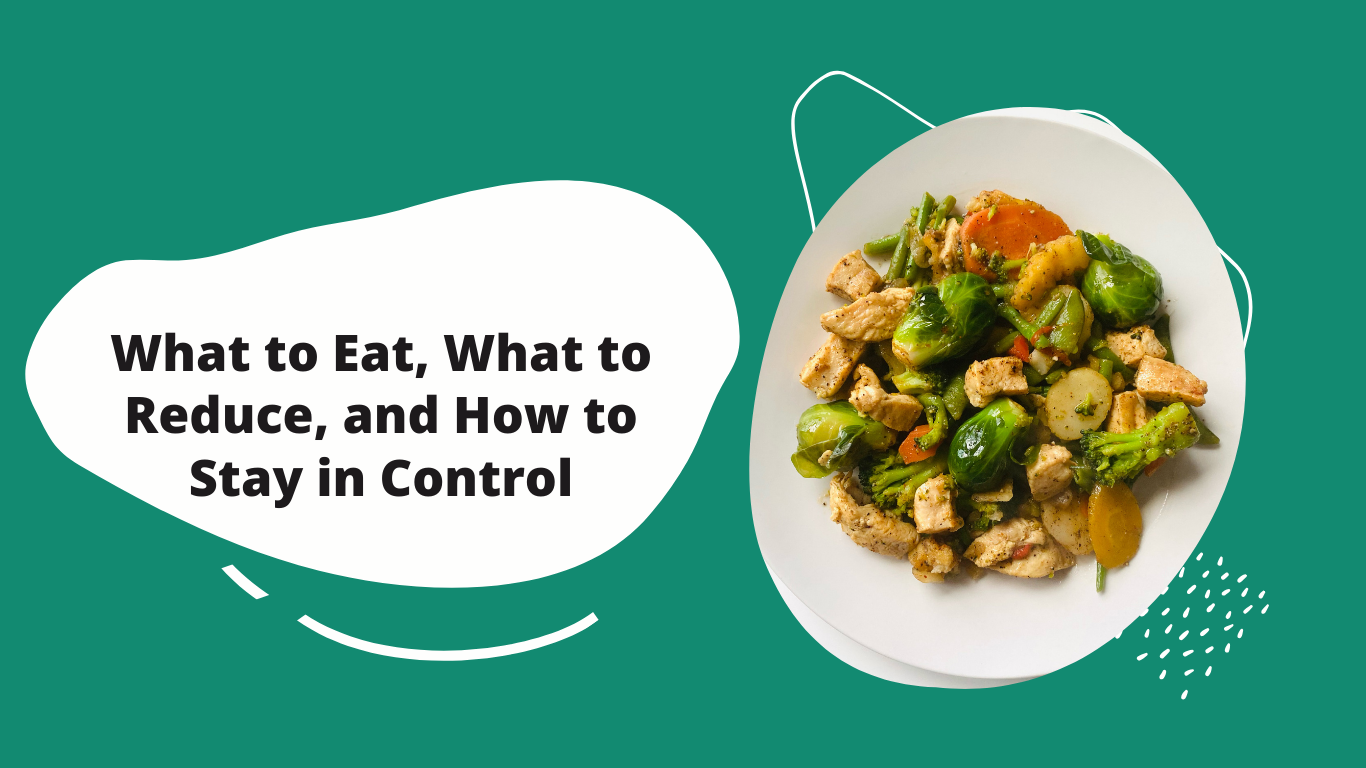
Practical Diabetes-Friendly Plate Formula
Here is a simple formula you can follow:
✅ 50% vegetables
✅ 25% protein (fish, chicken, beans, eggs)
✅ 25% carbohydrates
This method helps reduce spikes without feeling starved.
Why Many Nigerians Struggle With Food Discipline
Let’s be honest:
- Social events encourage overeating
- Family pressure makes it hard to refuse food
- Stress increases cravings
- Lack of meal planning leads to poor choices
And most people were never taught how to balance traditional meals properly.
This is why education is not enough — structure is necessary.
Can Nigerian Food Support Diabetes Remission?
Yes — if structured properly.
Type 2 diabetes remission is strongly influenced by:
- Weight reduction
- Reduced refined carbohydrates
- Increased fiber
- Consistent monitoring
- Lifestyle correction
The goal is not starvation.
The goal is metabolic balance.
How Addys Diabetes Health Store Helps
At Addys Diabetes Health Store, we focus on a food-as-medicine approach specifically designed for Nigerians.
We provide:
- Structured diabetic meal plans using familiar foods
- Blood sugar-friendly food packs
- Portion-guided nutrition strategies
- Fiber and herbal support for stability
- Accountability programs
Because guessing your way through diabetes is dangerous.
Proper structure brings confidence.
Final Thoughts
You do not need foreign food to control diabetes.
You need:
- Understanding
- Portion awareness
- Balance
- Consistency
Nigerian food is not the enemy.
Unstructured eating is.
If this article helped you, share it with someone managing diabetes.
And if you are ready for a structured Nigerian diabetes meal system designed for stable blood sugar, explore our programs at Addys Diabetes Health Store.
Your culture can stay.
Your health can improve.
Your blood sugar can stabilize.
One balanced plate at a time.
Frequently Asked Questions (FAQ)
Q: Is brown rice (Ofada) really better than white rice?
A: Yes! Unpolished Ofada or Basmati rice contains the outer bran layer, which is full of fiber. This fiber prevents the “sugar rush” you get from processed white rice.
Q: Can I drink Zobo if I have diabetes?
A: Yes, but only if it is unsweetened. Pure Zobo (Hibiscus tea) can actually help lower blood pressure. Avoid adding sugar, honey, or even too much pineapple juice to it. Use ginger or cloves for flavor instead.
Q: Should I stop eating “Sweet Things” like Pawpaw and Pineapple?
A: You don’t have to stop, but you must control the portion. Stick to a “handful” of fruit per day. Avoid fruit juices—even “natural” ones—as they lack the fiber found in the whole fruit.
Summary Checklist for Your Next Meal
* [ ] Is there a green vegetable on my plate?
* [ ] Is my protein grilled or boiled (not deep-fried)?
* [ ] Is my “swallow” portion no larger than my clenched fist?
* [ ] Am I drinking water instead of soda or malt?
