
Exercise for Diabetes in Nigeria: Best Workouts to Lower Blood Sugar 2026

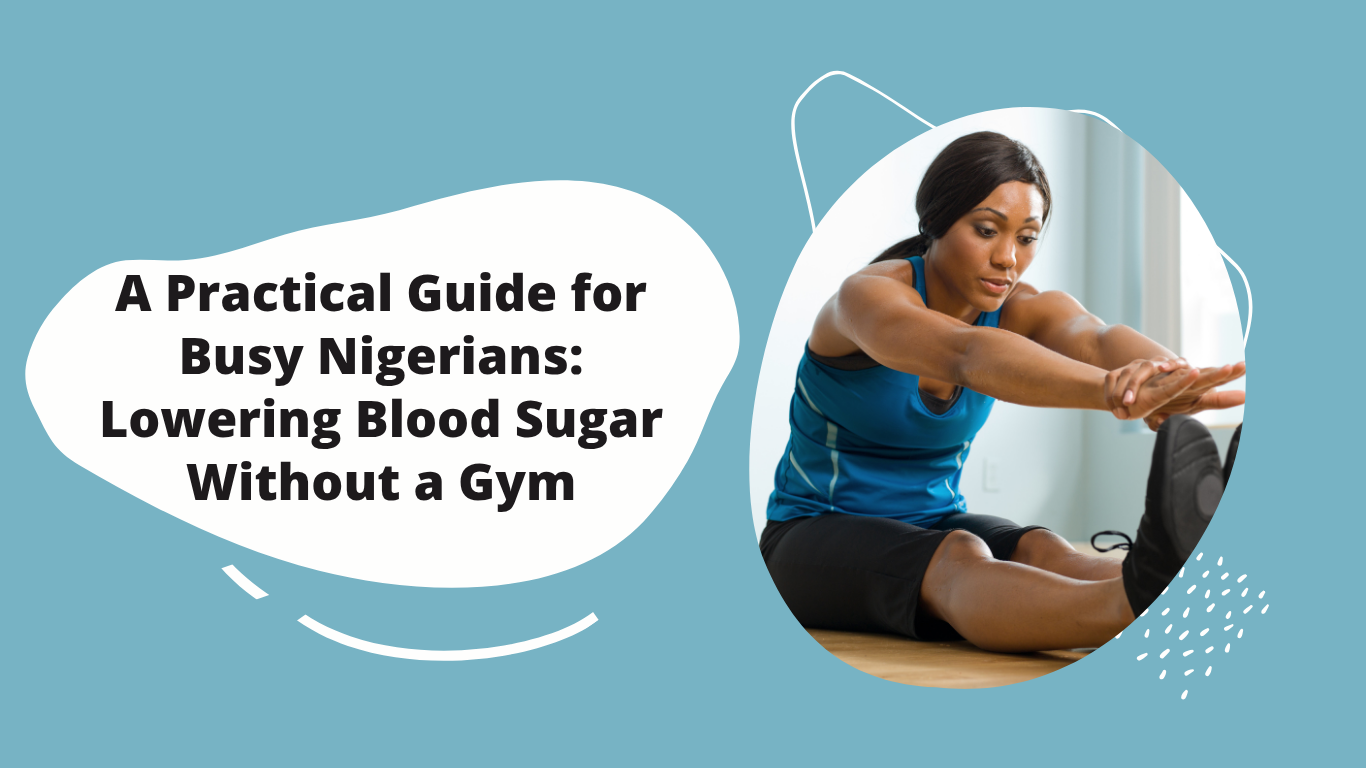
The “Movement is Medicine” Philosophy
In many parts of Nigeria, “exercise” is often viewed as a luxury for the wealthy who have time to visit gyms in Lekki, Maitama, or GRA. For the average Nigerian struggling with the daily hustle—rising at 5:00 AM to beat traffic and returning late at night—the idea of a “workout routine” feels impossible.
However, in the world of diabetes management, movement is not a luxury; it is a clinical necessity. When you move your muscles, they act like a sponge, soaking up the excess sugar (glucose) in your blood to use for energy. This happens even without extra insulin. In fact, a 30-minute brisk walk can lower your blood sugar for up to 24 hours.
This guide is designed for the “Busy Nigerian.” We aren’t talking about marathons; we are talking about practical, cultural, and effective movement.
Why Movement Matters Specifically for Nigerians
Nigeria is currently facing a “sedentary crisis.” Our ancestors walked kilometers to farms and markets; today, we sit in danfos, keke napeps, and office chairs for 10–12 hours a day.
The Benefits of Regular Movement:
* Improves Insulin Sensitivity: It makes the insulin your body does produce work better.
* Reduces “Belly Fat” (Central Obesity): In Nigeria, we often see the “potbelly” as a sign of wealth, but medically, it is a sign of insulin resistance.
* Heart Protection: Diabetes is the leading cause of heart disease in Nigeria. Exercise keeps your arteries flexible.
* Mental Health: The “hustle-related stress” in Nigeria spikes cortisol, which in turn spikes blood sugar. Exercise burns off that stress.
The “No-Gym” Nigerian Workout Menu
- The “Traffic Walk” (Brisk Walking)
This is the most effective tool for a diabetic. “Brisk” means you are walking fast enough that you can still talk, but you cannot sing.
* How to do it: If you use public transport, drop off two bus stops early and walk the rest of the way. If you drive, park at the far end of the lot.
* The Goal: 30 minutes daily.
- “Parlor Aerobics” & Afrobeat Dancing
You don’t need a coach; you need a radio.
* How to do it: Put on a 30-minute mix of your favorite high-energy Afrobeat or Gospel music. Dance vigorously in your living room. The jumping, swaying, and arm movements are excellent cardio.
* The Benefit: It’s private, free, and fun.
- The “Pure Water” Weightlifting
Muscles are your body’s biggest “sugar burners.” You need to keep them strong.
* How to do it: Take two 1-liter bottles filled with water (or bags of rice). Use them as dumbbells to do arm curls and overhead presses while watching the evening news.
* The Benefit: Increases muscle mass, which helps keep your Fasting Blood Sugar (FBS) low.
- Domestic Chores as Cardio
Don’t look at housecleaning as a burden; look at it as a therapy.
* How to do it: Vigorous mopping, hand-washing clothes, or sweeping the compound for 30 minutes burns as many calories as a light jog.
Safety Rules for the Nigerian Diabetic
Exercise is powerful, so you must use it safely:
* Check Your Feet Daily: Because of the risk of “Diabetic Foot,” never exercise barefoot. Use well-fitting sneakers. Check for blisters or reddish spots immediately after your walk.
* The “Hypo” Kit: Always carry a “glucose emergency kit” (a small bottle of regular Coke or three cubes of sugar) in your pocket in case your sugar drops too low during exercise.
* Stay Hydrated: Drink plenty of water. In the Nigerian heat, dehydration can make your blood sugar readings appear higher than they actually are.
* Timing Matters: The best time to exercise is 1 to 2 hours after a meal (like after breakfast or dinner). This is when your blood sugar is at its highest, and movement will help blunt the spike.
Frequently Asked Questions (FAQ)
Q: I have “joint pain” or arthritis; how can I exercise?
A: Avoid high-impact jumping. Stick to “Chair Exercises” (lifting legs while sitting) or slow walking. Even moving your arms while sitting helps more than staying completely still.
Q: Is it better to exercise in the morning or at night?
A: For most Nigerians, a morning walk is best because it sets your metabolism for the day. However, if you eat a heavy dinner (like Eba or Rice), a 15-minute stroll after dinner is vital to prevent a “sleep-time spike.”
Q: Can exercise replace my Metformin or Insulin?
A: Never stop your medication without a doctor’s order. However, many Nigerians find that after 3 months of consistent exercise and diet, their doctor reduces their dosage because their body has become more efficient.
Q: I walk a lot at my job (e.g., a trader or teacher); is that enough?
A: Casual walking is good, but for diabetes, you need “aerobic” intensity. You need to get your heart rate up. If you walk at work, try to do one 10-minute “power walk” during your break where you move as fast as possible.
The “30-Day Movement Challenge”
* Week 1: Walk for 10 minutes every morning.
* Week 2: Increase to 20 minutes.
* Week 3: Add “Parlor Dancing” for 10 minutes on Saturdays and Sundays.
* Week 4: Maintain 30 minutes of movement, 5 days a week.

I’m having diabetes since 4years
Thank you for reaching out to us. We would like to learn more about your situation to provide the best possible support. Please send us a message on WhatsApp 07066673562