
Can Diabetics Eat Plantain Chips?

Introduction
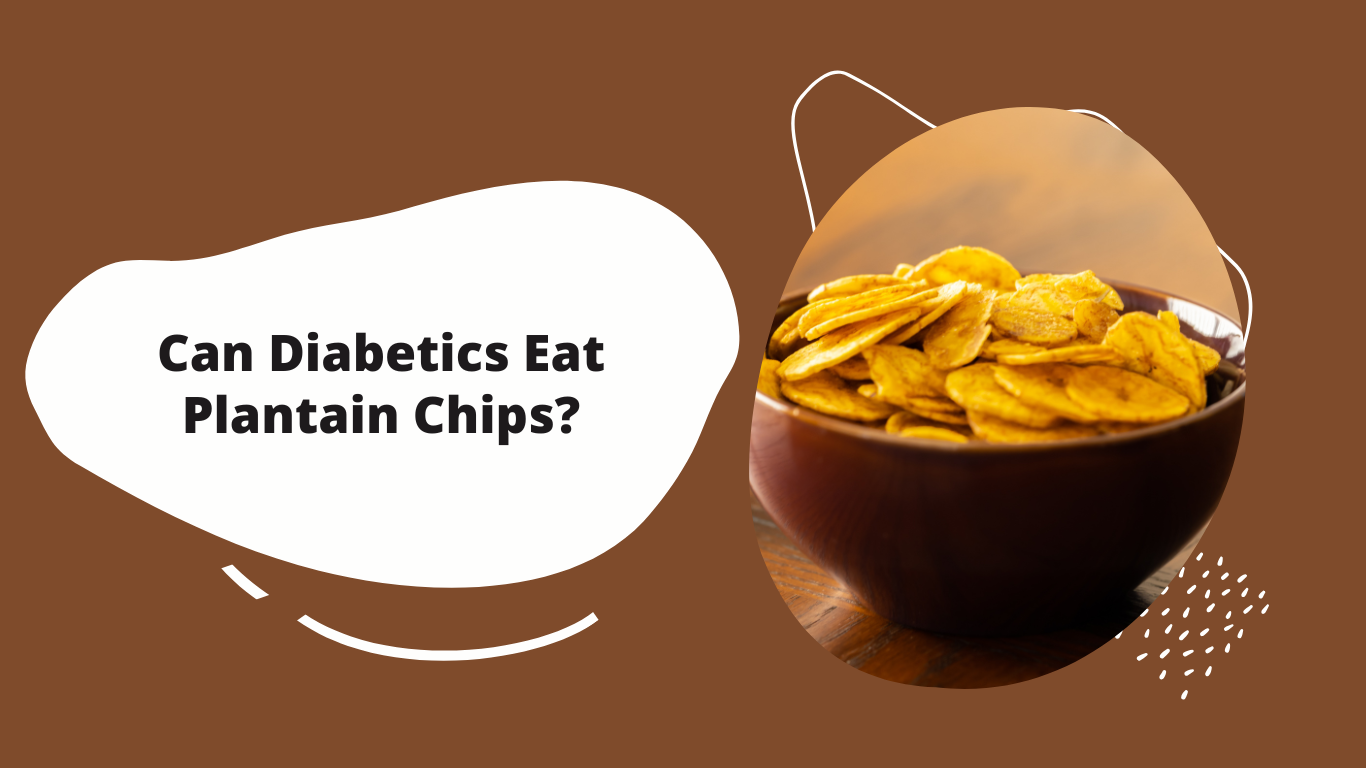
Plantain chips are deeply woven into everyday Nigerian life. They are sold on streets, in offices, at bus stops, in supermarkets, and are often served as snacks during visits or alongside meals. Because plantain is a natural food and widely regarded as healthier than many refined snacks, many diabetics assume that plantain chips are safe as long as they are eaten in small quantities. Unfortunately, this assumption often leads to repeated blood sugar spikes, frustration, and confusion about why glucose levels remain high despite “eating carefully.”
Diabetes management goes beyond eating natural foods. It requires understanding how food preparation methods, portion size, timing, and frequency affect blood sugar. Plantain chips are a perfect example of how a natural food can become metabolically harmful once processed in a certain way. This article explains in depth whether diabetics can eat plantain chips, why they often cause problems, and what safer alternatives exist for people who struggle with snacking.
Understanding Plantain and Blood Sugar
Plantain is a carbohydrate-rich food. Its impact on blood sugar depends largely on its ripeness and preparation. Unripe plantain contains more resistant starch and dietary fiber. Resistant starch is digested slowly and has a milder effect on blood sugar. Ripe plantain, on the other hand, contains more simple sugars, which raise blood glucose more quickly.
When plantain is boiled, roasted, or steamed—especially in its unripe form—it digests more slowly and causes a more gradual rise in blood sugar. This is why some diabetics are able to include small portions of boiled unripe plantain in their meals without extreme glucose spikes. However, once plantain is processed into chips, its behavior in the body changes completely.
What Changes When Plantain Becomes Chips
The transformation from plantain to plantain chips involves several metabolic changes. Slicing plantain into thin pieces increases the surface area exposed to heat and oil. Deep frying removes water and concentrates carbohydrates, meaning more starch and sugar are packed into a smaller volume of food. This concentration effect dramatically increases the glycaemic load of the snack.
Frying also introduces large amounts of oil. While fat slows digestion in some foods, deep-fried snacks like plantain chips combine high carbohydrates with unhealthy fats. This combination promotes insulin resistance over time and worsens blood sugar control. Additionally, frying destroys some of the natural fiber that would normally slow glucose absorption.
The result is a snack that is calorie-dense, carbohydrate-heavy, and easy to overconsume. Most people do not measure how many chips they eat. A “small nylon” of chips may contain far more carbohydrates than expected, making blood sugar control unpredictable.
Why Plantain Chips Are Particularly Risky for Diabetics
Rapid Blood Sugar Spikes
Plantain chips cause a rapid rise in blood glucose because they contain concentrated carbohydrates with reduced fiber. For diabetics, this spike can be sharp and prolonged. Many people notice their sugar rising significantly within one to two hours after eating chips.
Increased Insulin Demand
Every carbohydrate consumed requires insulin to move glucose from the bloodstream into cells. Fried snacks like plantain chips demand a large insulin response. In people with insulin resistance or reduced insulin production, this demand cannot be met efficiently, leading to persistent hyperglycaemia.
Contribution to Insulin Resistance
The oils used in frying—especially reused vegetable oils—can increase inflammation and worsen insulin resistance. Over time, frequent consumption of fried snacks makes diabetes harder to manage even with medication.
Poor Satiety and Continuous Snacking
Plantain chips do not provide lasting fullness. Because they are crunchy and salty, they encourage mindless eating. Diabetics may snack repeatedly throughout the day, keeping blood sugar elevated continuously rather than allowing it to stabilize between meals.
Hidden Portion Trap
Many diabetics underestimate how much they eat. A handful of chips can contain the carbohydrate equivalent of several slices of boiled plantain. Because the chips are light and crispy, portion control becomes very difficult.
Can Diabetics Eat Plantain Chips at All?
For most diabetics, plantain chips should not be a regular part of the diet. Frequent consumption makes stable blood sugar control extremely difficult. Even occasional consumption requires caution. It should never be eaten on an empty stomach, and blood glucose should be monitored afterward to understand individual response.
Diabetics with poorly controlled blood sugar, high HbA1c, obesity, hypertension, or high cholesterol are especially advised to avoid plantain chips altogether. In these cases, the risks outweigh any enjoyment derived from the snack.
The Difference Between Frequency and Portion Size
One of the biggest mistakes diabetics make is focusing only on portion size while ignoring frequency. Eating a small amount of plantain chips once in a while is very different from eating them several times a week. Frequent exposure to high-glycaemic snacks keeps insulin levels constantly elevated and prevents metabolic recovery.
Even small portions, when eaten regularly, contribute to chronic blood sugar instability. Diabetes management improves significantly when high-carb snacks are replaced with low-carb alternatives designed to support stable glucose levels.
Healthier Alternatives to Plantain Chips
Boiled or Roasted Unripe Plantain
Unripe plantain prepared without oil digests more slowly and has a gentler effect on blood sugar. Portion control is still essential, but this option is far safer than fried chips.
Baked Plantain
Baking reduces oil content compared to frying. While baked plantain is still carbohydrate-rich, it is a better occasional option than chips, especially when eaten with protein or vegetables.
Low-Carb Snacks Designed for Diabetics
Many diabetics struggle with cravings for crunchy snacks. Completely eliminating snacks often leads to relapse. This is why low-carb snacks formulated specifically for diabetics are important.
Your low-carb chin-chin provides a practical alternative. Unlike regular chin-chin or plantain chips, it is designed to reduce carbohydrate load while still satisfying the desire for crunch. This makes it a smarter choice for diabetics who want to snack without triggering major blood sugar spikes.
Why Snack Choice Plays a Major Role in Diabetes Control
Snacks may seem insignificant, but they strongly influence daily glucose patterns. Frequent high-carb snacking keeps blood sugar elevated throughout the day, increases insulin demand, and accelerates insulin resistance. Over time, this contributes to weight gain, medication escalation, and diabetes complications.
Replacing high-carb snacks with low-carb, fiber-friendly options helps flatten glucose curves and improves overall metabolic stability. Many diabetics see noticeable improvements in fasting and post-meal blood sugar simply by changing their snack choices.
Common Mistakes Diabetics Make with Plantain Chips
Many diabetics assume that unripe plantain chips are automatically safe. While unripe plantain is better than ripe plantain, frying still concentrates carbohydrates and introduces unhealthy fats. Others believe that eating chips “only in the afternoon” makes them harmless, ignoring the cumulative effect on blood sugar. Some pair plantain chips with sugary drinks, further worsening glucose spikes.
Understanding these mistakes helps diabetics make informed choices rather than relying on assumptions.
Practical Guidance for Better Blood Sugar Control
Diabetics should view snacks as part of their treatment plan, not as harmless extras. Choosing snacks that support stable blood sugar is just as important as choosing healthy meals. Fried snacks, including plantain chips, should be limited or avoided. When cravings arise, healthier alternatives such as boiled plantain, baked options, or low-carb snacks like your chin-chin provide a safer solution.
Conclusion
Plantain chips are not the best snack choice for diabetics. While plantain itself can sometimes be managed in controlled forms, turning it into deep-fried chips dramatically increases its glycaemic impact and makes blood sugar control difficult. Regular consumption contributes to insulin resistance, frequent glucose spikes, and long-term complications.
For diabetics seeking better control, reducing fried snacks and choosing smarter alternatives is essential. Low-carb snacks such as your chin-chin offer a practical way to enjoy snacking without sabotaging blood sugar. Making these changes consistently can lead to more stable glucose readings, improved energy levels, and better long-term health outcomes.
