
The “Fit-for-Purpose” Exercise Blueprint: Smart Movement Without Spikes or Crashes

The Mechanics of Movement
In the corporate and professional world, physical exercise is often discussed in broad, generic terms: “stay active” or “go to the gym.” However, for individuals managing diabetes, exercise cannot be treated as a casual hobby. It must be approached as a precise clinical intervention. Physical activity is a powerful tool for increasing insulin sensitivity and lowering blood glucose, but without structure, data, and the right fuel, it can introduce dangerous volatility into your readings.
At Addys Diabetes Health Store, we design protocols based on clinical predictability. You do not need an expensive gym membership or hours of grueling, high-impact workouts that leave you exhausted and prone to injury. Instead, you need a functional, “fit-for-purpose” movement strategy that fits seamlessly into a busy Nigerian lifestyle while keeping your blood sugar firmly within the Green Zone.
The Dual Risks — Spikes vs. Crashes
To manage physical activity professionally, you must understand how different types of movement impact your metabolism. Exercise does not automatically lower blood sugar in real-time; the body’s response depends entirely on intensity and duration.
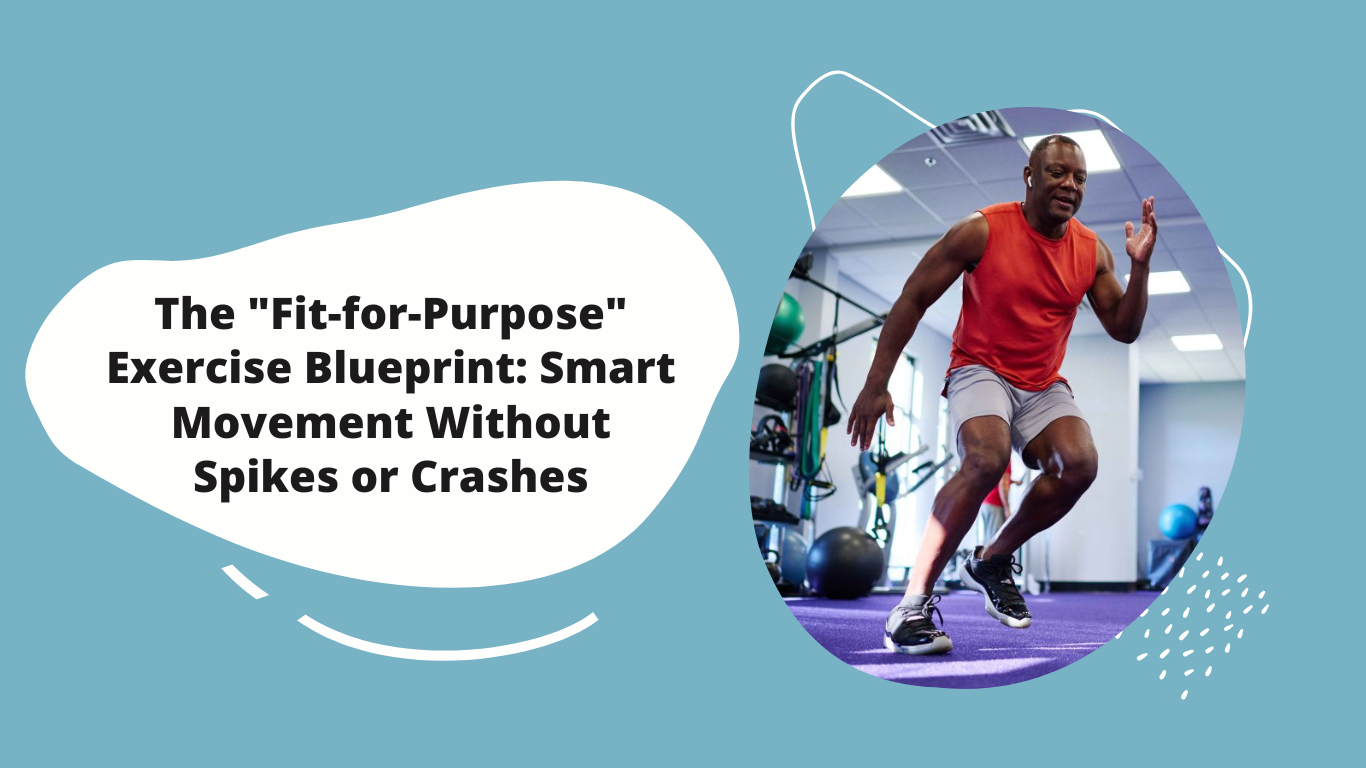
The Stress-Induced Spike: High-intensity, explosive workouts—such as heavy weightlifting, sprinting, or intense cross-training—can be perceived by the body as a acute stressor. This triggers a surge of adrenaline and cortisol, signaling the liver to dump stored glucose into the bloodstream to fuel the “emergency.” The result is a sharp, frustrating post-workout spike.
The Delayed Crash (Hypoglycemia): Conversely, prolonged, steady-state cardio (like a long jog or extended walk) rapidly consumes circulating blood glucose. If your system has active medication or lacks a stable fuel base, your levels can drop precipitously during or several hours after the session, leading to dizziness, shakiness, and confusion.
The Addys Analysis: Neither a spike nor a crash is acceptable. The goal of the Fit-for-Purpose Blueprint is metabolic equilibrium—achieving the long-term benefits of exercise without the short-term volatility.
The Data Shield — Testing Before and After
A professional manager never guesses the outcome of an intervention. The only way to know how your body responds to exercise is to measure it.
The Pre-Workout Audit: Before you put on your walking shoes or lift a weight, you must check your baseline. Pull the Addys Accurate Meter from your drawer and take a reading. If your sugar is too low, entering a workout is dangerous. If it is excessively high, high-intensity movement could drive it even higher.
The Post-Workout Verification: Test again exactly 15 to 30 minutes after your session ends, and once more two hours later. This data maps your personal metabolic blueprint. It tells you exactly which activities lower your sugar safely and which ones trigger a stress response.
Building the Log: Over time, these readings remove the guesswork. You will learn, for example, that a 20-minute brisk walk after dinner consistently drops your glucose by a specific margin, giving you a predictable tool to combat post-meal spikes.
Practical Movement for the Nigerian Environment
Gym culture or jogging on busy commercial roads isn’t always practical, safe, or sustainable in major cities like Lagos, Abuja, or Port Harcourt. The environment requires localized, high-efficiency alternatives.
The Post-Meal Stroll (The 15-Minute Rule): The single most efficient movement for glucose control is a light, 15-minute brisk walk taken within 30 minutes after eating. This utilizes the large muscles in your legs to pull glucose directly from the bloodstream, blunting the post-meal spike before it can peak. This can be done around your office compound, down a quiet residential street, or even indoors.
Resistance Training at Home: Building lean muscle mass is essential because muscle acts as a “glucose sink”—the more muscle you have, the more sugar your body can store and burn naturally. You do not need heavy weights; bodyweight exercises like squats, wall pushes, and lunges performed in your living room are highly effective at improving insulin sensitivity.
Beating the Commute Stagnation: If you face hours of sitting in traffic daily, your muscles go completely dormant. Counteract this by incorporating simple calf raises or contracting your core while seated, and ensure you commit to active movement as soon as you step out of the vehicle.
Fueling the Movement — Stable Foundations
Exercise requires energy, but traditional pre-workout supplements or high-carb snacks (like bananas or energy drinks) will completely derail your protocol.
The Pre-Workout Fuel Trap: Many fitness tracking apps or trainers recommend eating fast-acting carbs before a workout. For a diabetic, this creates a massive spike followed by an unpredictable crash.
The Addys Solution: If you need a meal before sustained physical activity, it must feature a low-glycemic index (GI) profile that releases energy slowly and steadily. Addys Stone-Free Fonio is the ideal foundational fuel. A light portion of Fonio paired with a clean protein provides your muscles with sustained glycogen without overwhelming your bloodstream with rapid sugars. For shorter workouts, a handful of almonds or walnuts from your desk drawer is sufficient to stabilize your system.
The Power of Collective Consistency
The greatest barrier to an exercise routine isn’t a lack of information; it is a lack of consistency. When work demands mount or fatigue sets in, the workout is usually the first thing to be abandoned.
The Isolation Problem: Trying to maintain a solo fitness routine in a high-stress environment often leads to burnout. Without tracking or support, it is easy to justify skipping a day, which quickly turns into skipping a week.
The Accountability Advantage: This is why the Addys Management & Accountability Program is vital. Within our digital community, movement is tracked, celebrated, and normalized. Sharing your daily 15-minute post-meal walk or logging your pre- and post-workout numbers with your coach builds a layer of positive social discipline. You are no longer relying purely on fleeting motivation; you are executing a daily protocol alongside a peer network of high-performing professionals.
Frequently Asked Questions (FAQ)
Q: What should I do if my Addys Meter shows my blood sugar is over 250 mg/dL before I exercise? A: If your blood sugar is exceptionally high and you have ketones present, strenuous exercise can actually drive your levels higher by triggering a severe stress response. In this scenario, skip heavy exercise, focus on drinking plenty of water, and opt for a very gentle, slow walk while consulting your management protocol.
Q: Can I do my workouts first thing in the morning on an empty stomach? A: Fasted morning exercise can sometimes cause a temporary spike in blood sugar due to the natural morning cortisol surge (the dawn phenomenon). Use your Accurate Meter to test this. If you experience a sharp spike, try having a tiny, low-GI snack (like a few nuts) before moving, or shift your main workout to the evening.
Q: I get joint pain when I jog. What are my options? A: Avoid jogging entirely. High-impact running is tough on the joints and unnecessary for blood sugar management. Low-impact alternatives like brisk walking, stationary cycling, or swimming are highly effective, joint-friendly ways to lower glucose levels.
Precision Over Intensity
In the Addys philosophy, physical movement is treated with the same precision as a corporate strategy or a financial budget. We do not value sweat and exhaustion; we value stability, predictability, and data. By utilizing your Addys Accurate Meter to track your body’s specific responses, fueling with clean staples like Stone-Free Fonio, and staying insulated within our Accountability Program, you transform exercise from a stressful chore into a highly effective clinical tool.
